Two short windows carry most of a sprinkler company's year.
Spring startup and fall winterization bring in 60 to 70 percent of annual revenue (ClicksGeek, 2026). The plan is built backward from those weeks, with repairs and installs filling the rest.
- Remind last year's customers before each window opens
- Offer a yearly plan at every install
- Use summer for water bills, controllers and drip
A sprinkler company's year turns on two windows, spring startup and fall blowout, so the plan works backward from them. First a site with prices by zone count and a yearly plan page. Then Google for repairs all season. Then reminders well before each window, and a maintenance plan offered with every new system.
The plan is the product
Twice-yearly service is the core of the trade. A plan signed at the install books both visits each year without another sale, and plan customers are the first to hear about controller upgrades and drip work. Every new system is a chance to sign one.
What fills the months between
The quiet stretches are when the next window gets sold.
- June to August: dry patches, leaks and controller upgrades as water bills climb
- December to February where the ground freezes: book spring startups and quote installs for the thaw
- All year in the Sun Belt, where systems rarely need winterizing
Real work you can check
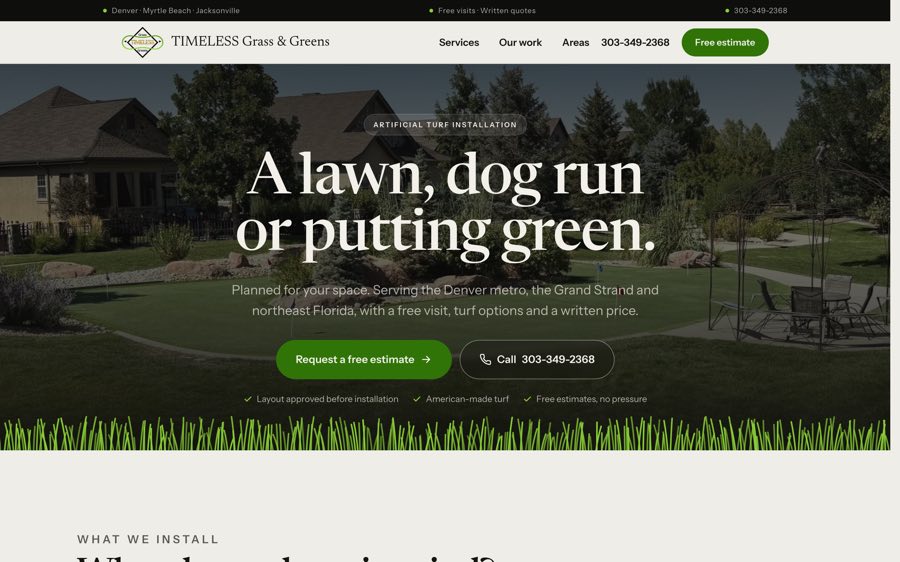
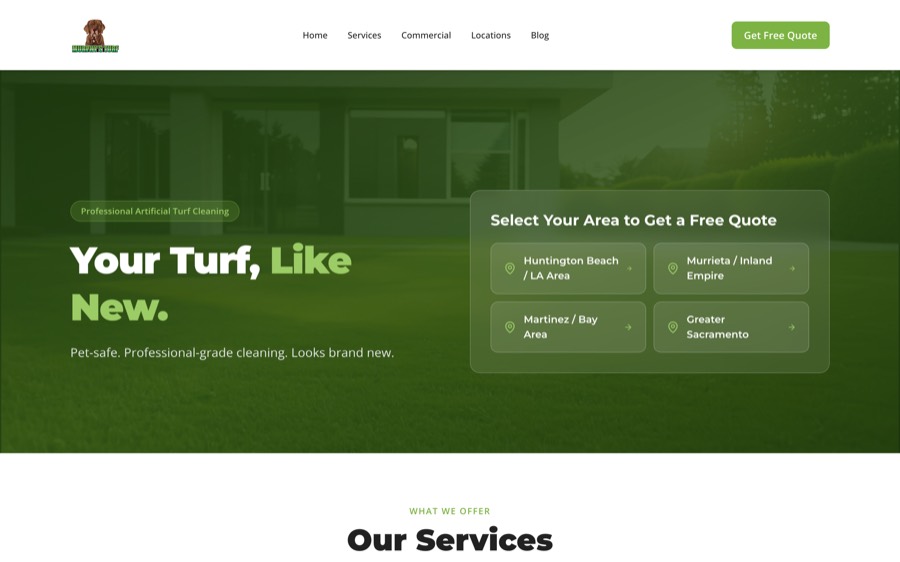
Websites we built
Swipe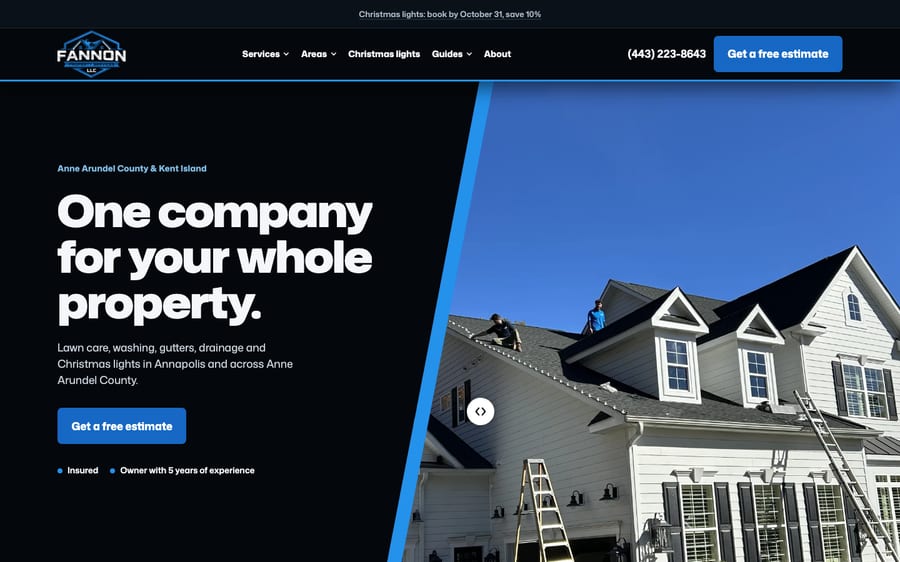
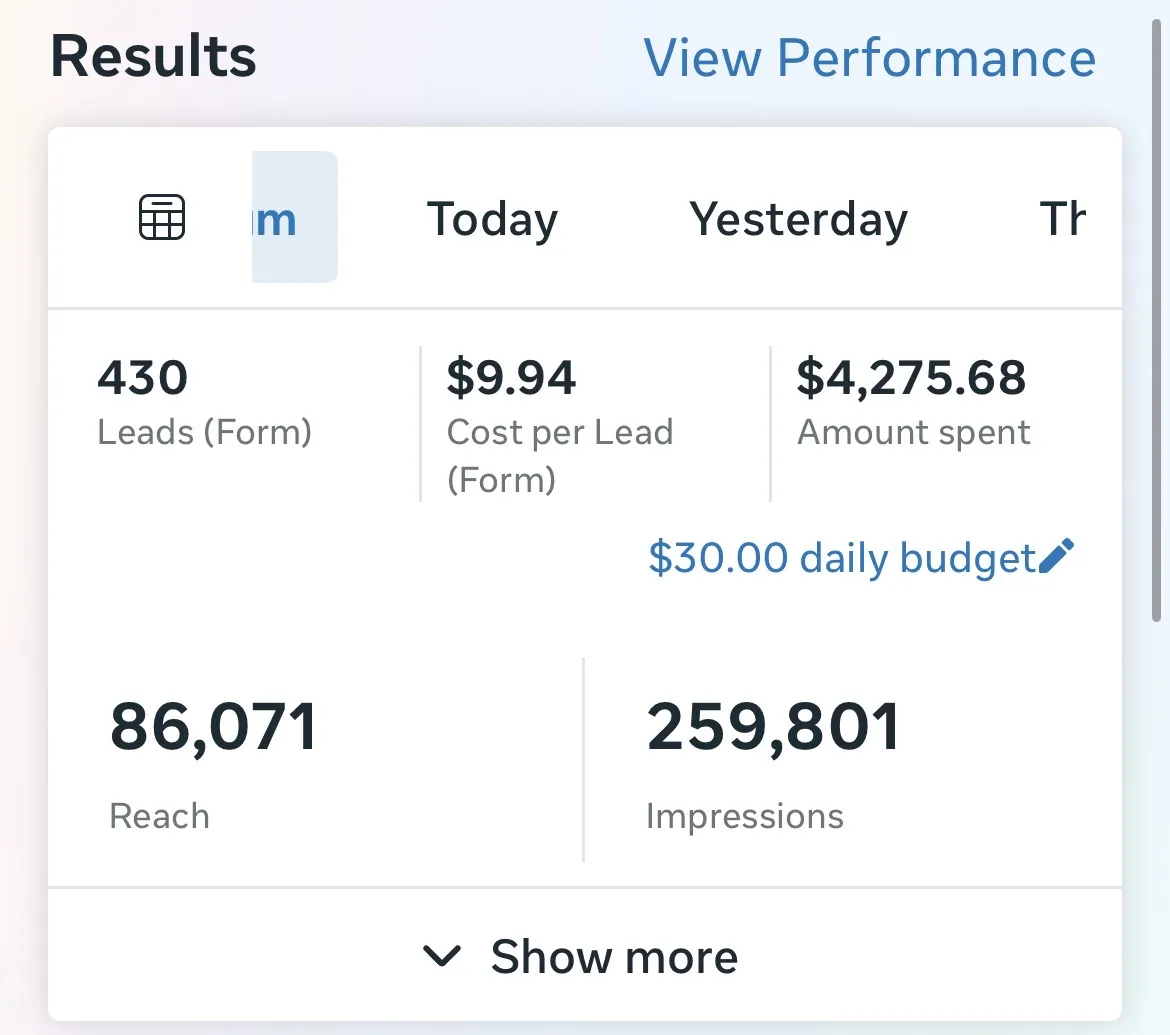
Straight from Meta Ads Manager
A client account as Ads Manager shows it, not a mockup. Every screenshot we have is on the results page, uncropped.
See all the client resultsWhat clients say
“Ty has been absolutely amazing! He's helped me out with everything from GoHighLevel and Facebook to building a custom app for my business. Since working with him, my business has been bringing in a ton of high-quality leads. I've worked with several different people in the past, but Ty is on a completely different level. He knows his stuff, gets things done, and actually delivers results. This dude is awesome! I highly recommend him to anyone looking to grow their business.”
A few things you might be wondering
Which customers should hear from a sprinkler company first each season?
Last year's. Everyone who had a startup, a blowout or a repair gets a reminder with a price and a booking link before any ad runs. The ads then go to the towns around them.
How should the budget split across the year?
Most of it into the two windows. Evergrow advises raising Google spend in March, April, September and October, the months search volume surges (2025). Summer gets a smaller repair budget, and winter in freeze markets is for install quotes.
Should a sprinkler company offer free inspections?
It can. The one national irrigation franchise leads with a free sprinkler inspection and a maintenance plan. An independent company that offers the same, with a named plan and its price, takes that hook away.
See what fits your business.
One irrigation & sprinklers company per service area, first come, first served, while you are a client.
About a minute of questions, then you pick a time.
Explore the irrigation & sprinklers market details
The irrigation & sprinklers year, and where the money is
Researched, not guessed. Every line names where it came from.
- Peak
- March to May, when systems get turned back on, then September to November, when they are blown out before the first hard freeze. Those weeks bring in 60 to 70 percent of the year's revenue.clicksgeek.com and evergrowmarketing.com
- Shoulder
- Summer, June through August. Dry patches, leaks and controller upgrades as water bills climb. Warm states stay busy all year and rarely need winterizing.
- Quiet
- December through February where the ground freezes. Systems sit drained. Fill it by booking spring startups early and quoting installs for the thaw.
- What triggers a call
- The first warm week, and nothing comes on; A freeze warning in the forecast; Brown patches spreading in the July heat; A water bill that jumped; New sod or a fresh landscape going in; The yearly backflow test notice from the water company; A local rebate on a smart controller
- Typical residential job
- A repair or service call runs about $130 to $360. A new system for a normal residential lot is the bigger job, usually about $1,600 to $3,600.homeadvisor.com and lawnstarter.com, 2026
- Commercial
- Small commercial installs start around $8,000 (CTLawn, 2025), and a yearly maintenance contract follows.
- Comes back
- Twice a year, on the calendar. Startup in spring, blowout before the first hard freeze, repairs in between.
Google first for irrigation & sprinklers. Here is why.
- First channel
- Google first. A head snaps off or a wet patch spreads across the lawn, and they stand right there typing sprinkler repair near me into their phone. Meta comes in at startup and blowout time, putting a priced offer in front of your area and the customers you already have.
- Second channel
- Facebook and Instagram are the reminder. A priced startup or blowout offer, sent to your service area and to past customers a month or more before each window opens.